Wood Framing Mold Removal (Joists, Studs, Rafters) in Lomita, CA
Wood framing mold removal in Lomita starts with assessing your lumber and moisture source. Ask which members can stay and which need repair.
- Joists, studs and rafters
- Containment and HEPA filtration
- Moisture readings before repairs
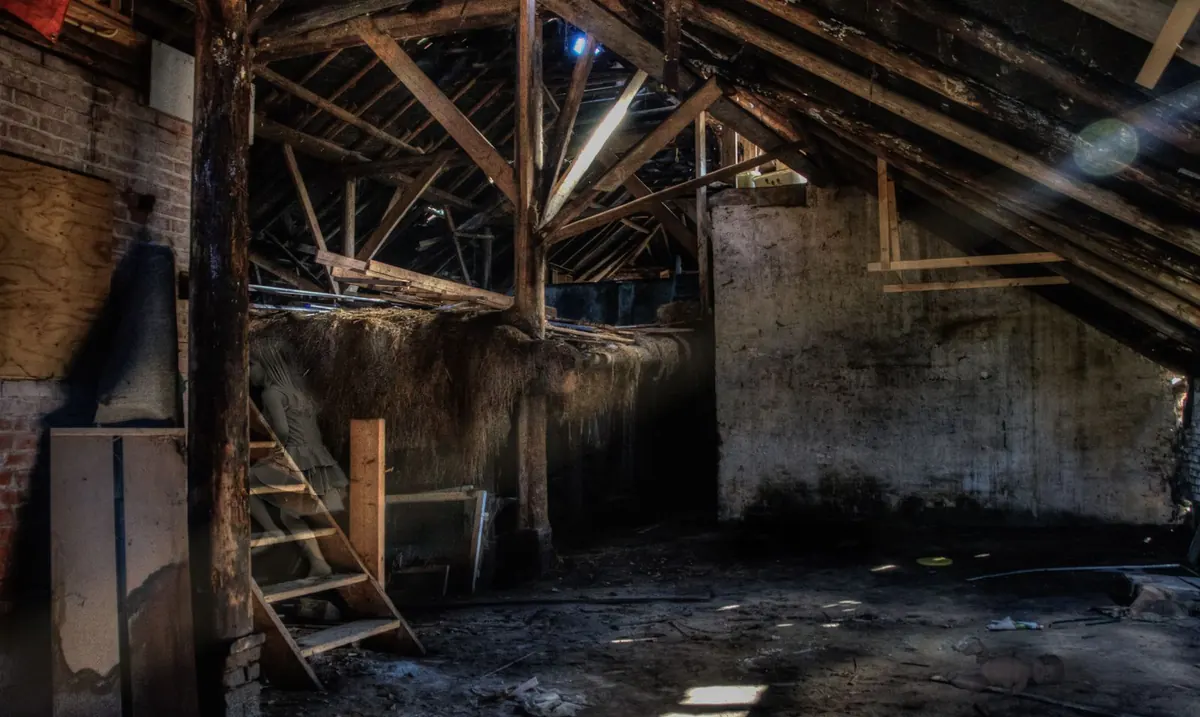
Mold on Joists in Los Angeles County: What You Should Know
Before choosing replacement or cleaning, you need a condition check of the structural wood.
Wood is porous or semi-porous, not a non-porous surface. Sound framing may be cleaned and dried without replacing it.
Have your scope list proposed work limits alongside affected members and any wood faces that cannot be accessed.
- Joists below your floors
- Studs inside wall cavities
- Rafters and roof framing
- Beams and trusses supporting your home
Choosing Wood Cleanup Help in Lomita
Explain Wood Access
Find out whether protective equipment and tools will fit narrow bays.
Relevant Wood Experience
Seek references tied to framing work like yours.
Assign a Contact
Find out who can answer questions during the work.
Clarify Changes
Reach agreement on changes to charges and scope when hidden damage becomes exposed.
When Mold Removal for Wood Is Needed in Lomita, CA
The location of growth helps you decide which building system needs investigation.
Mold on Rafters
Request leak checks from a roofer and ventilation and exhaust fan duct checks from an HVAC contractor.
Mold on Floor Joists
Could plumbing overhead or condensation underneath explain the dampness? Ask.
Mold on Studs
Compare the affected wall with nearby plumbing and exterior openings.
Mold Beneath Wood Floors
Check the subfloor as well as exposed boards when cupping or odor appears.
Wet Wood in Los Angeles County: Where to Start
Disturb as little as possible while arranging your assessment.
Call (844) 352-3560- Stop water if safe. Avoid wet electrical equipment.
- Leave growth alone. Do not attempt brushing, blasting or sanding it yourself.
- Keep the work area clear. Make sure pets and people stay clear of affected framing.
- Avoid affected HVAC use. EPA says not to run a potentially contaminated system.
- Act on fresh water damage. Dry areas and items damaged by water within 24 to 48 hours to prevent mold growth, EPA recommends.
Mold Removal Cost for Wood Framing in Lomita, CA
Cost guides cover remediation generally, rather than framing by itself. Refer to those figures when discussing your assessed work scope.
Typical national range, average $3,500
$1,500 to $9,000 per jobSource: Fixr, Mold Remediation Cost (checked 2026-10-23)Typical range, average $2,300
$1,200 to $3,750 per jobSource: This Old House, Mold Remediation Cost (cost data credited to Angi) (checked 2026-10-23)Rate for professional work covering more than about 10 square feet
$10 to $30 for each square footSource: Fixr, Mold Remediation Cost (checked 2026-10-23)Understanding What Affects Framing Mold Cost in Lomita
- Drywall removal and disposal
- Affected wood square footage
- Access around pipes and wiring
- Structural drying and repairs
- Containment equipment
Wood Mold Cost Guides Are Not Your Quote
Published national cost guides are the source of these ranges, rather than an inspection of your property. Before work begins, you should get an explanation of the property price determined through an on-site assessment.
Ask about cost: (844) 352-3560Framing Mold in California: Insurance Considerations
Ask your insurer how the water source and policy terms affect payment.
Work Authorization
Clarify approval requirements ahead of opening your walls.
Repair Charges
Find out whether separate coverage applies to access damage and rebuilding.
Coverage Questions
Ask about exclusions, deductibles and mold sublimits.
Event History
Give dates of leaks and discovery.
Understanding the Wood Mold Removal Process in Greater Los Angeles
Your work plan should set the sequence and completion criteria.
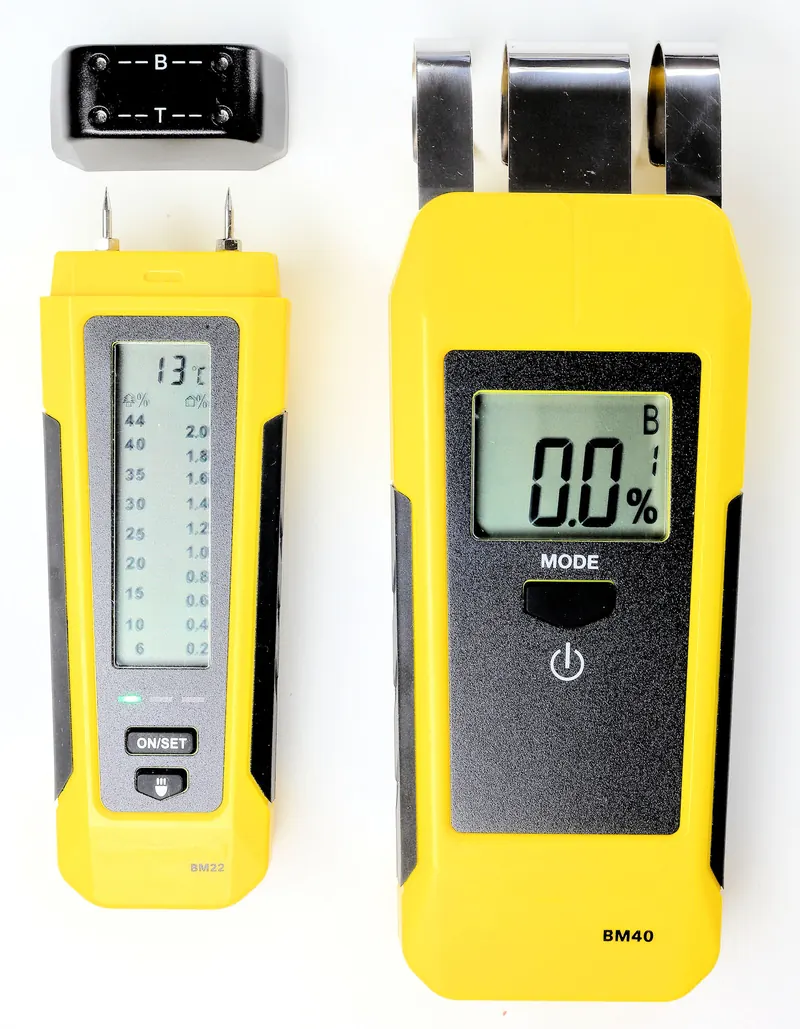
Map Wood Moisture
Map water stains and wood moisture content with a moisture meter; a thermal imaging camera cannot identify mold.
Correct the Water Source
Mold may return unless you arrange leak repair first.
Isolate the Work Zone
A containment barrier of poly sheeting, negative air pressure and an air filtration device such as a HEPA air scrubber control mold spores as needed.
Remove and Clean
Discard porous materials beyond salvage. Your professional may call for dry ice blasting, damp cleaning, a HEPA vacuum or controlled sanding. Antimicrobial treatment cannot replace cleaning.
Dry the Framing
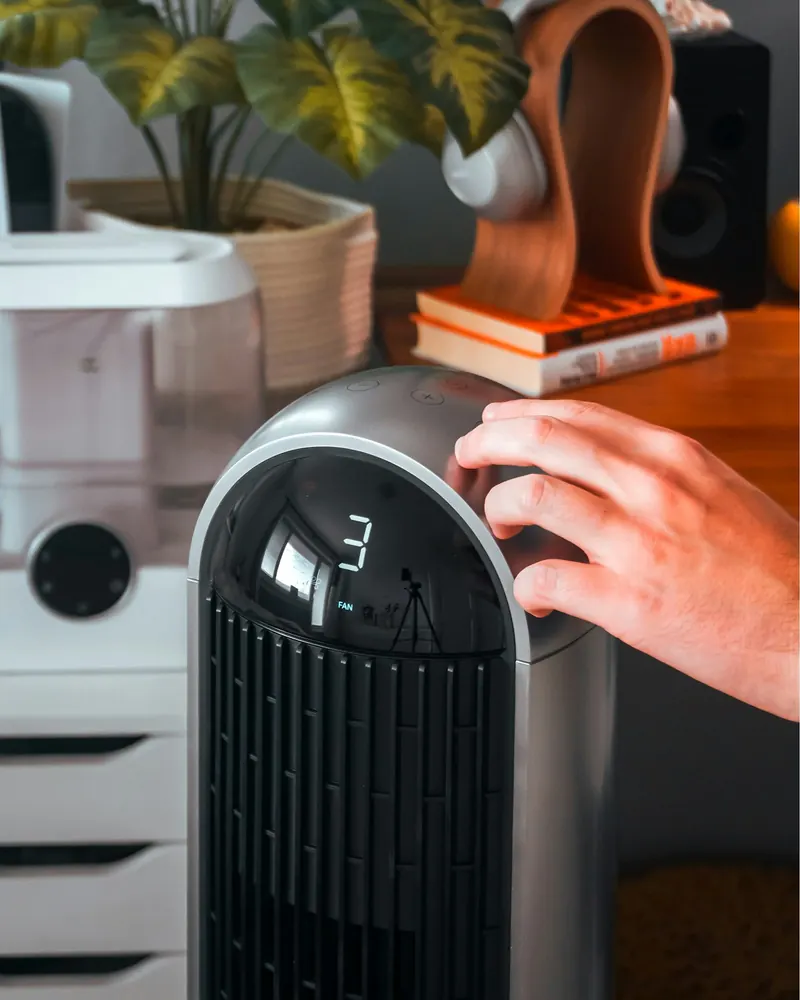
Use a dehumidifier alongside air movers for drying, and log readings before closing up to check for hidden moisture.
Post-Remediation Verification
Keep containment in place until cleanliness and dryness have been checked. For specified clearance testing, make sure your chosen assessor is independent.
Coat, Keep or Replace: Choices for Your Framing
Your structural wood is either porous or semi-porous. After drying and cleaning, sound wood surfaces may remain; coatings do not fix damage.
| Assessed condition | Likely handling | Decision to confirm |
|---|---|---|
| Sound framing lumber bearing growth at the surface | Clean and dry; retain if suitable. | Can all affected faces be reached? |
| Dry, sound and clean wood under consideration for coating | Use an encapsulant only after cleaning and drying, where appropriate. | For this wood, what is the reason for a sealant? |
| Wood rot or structural damage | Assess whether to repair or remove and replace. | Who plans structural repairs and evaluates the wood's strength? |
Ask a structural engineer about questionable load-bearing members. Never cut beams, joists or trusses yourself to reveal growth.

Discuss Wood Framing Mold Removal (Joists, Studs, Rafters) in Lomita
Phone at any hour. Talk with a wood framing mold removal (joists, studs, rafters) specialist about what you are seeing and the steps ahead.
Wood Mold in Greater Los Angeles: Risks and Access Concerns
Your assessment needs to consider exposure and access as well as visible growth.
Overhead Wood
Request a rafter access plan that avoids walking on ceiling surfaces lacking support.
Concealed Wood
Visible mold does not establish the extent behind finishes.
Sensitive Occupants
Allergy symptoms and asthma symptoms can be triggered by mold in some people. People who have asthma, weakened immune systems or lung disease are at higher risk.
Can you clean it yourself? For areas under about 10 square feet, EPA says homeowner cleanup is often possible. Larger areas, HVAC systems, sewage or contaminated water call for professional help.
Access Planning for Wood Behind Finishes in Los Angeles County
Your scope should distinguish opening the assembly from restoring its finishes.
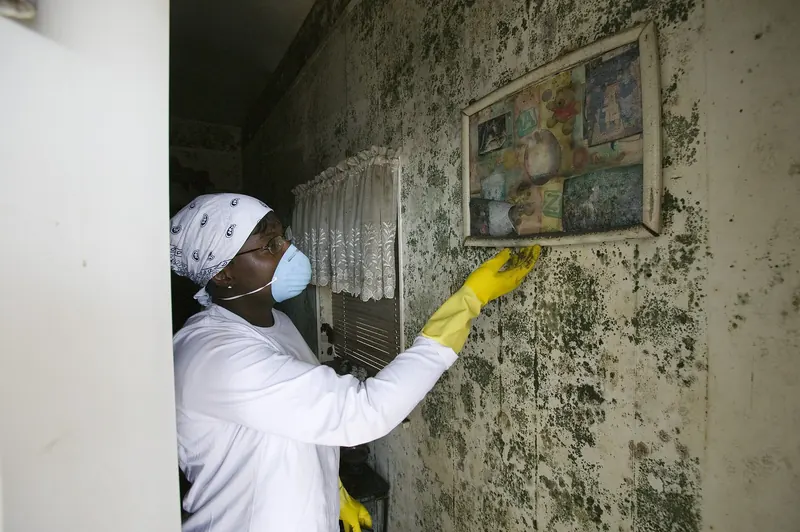
Before Opening
- Identify affected rooms
- Agree on access openings
Materials Around Framing
- You may need to discard drywall and insulation
- Check adjacent subfloor and sheathing
After Access Work
- Assign debris disposal
- List insulation and finish repairs separately
What Sets the Wood Cleanup Schedule in Los Angeles County?
Your schedule depends on access, drying progress and repair coordination.
- Enclosed studs: The scope may grow as walls are opened and hidden damage is found.
- Damp joists: Readings taken over time establish wood's readiness for closure.
- Damaged rafters: Rebuilding may wait while structural assessment and repair planning take place.
Odor Around Wood Framing in Lomita
You cannot locate the source by mustiness alone. If the smell remains after the work, ask about inspecting cavities that could not be accessed.
Aim for 30 to 50 percent humidity indoors, the ideal EPA range, and stay below 60 percent. You must check the wood itself even when you know the room humidity.
Scope and Repair Planning
Use the full wood framing mold removal (joists, studs, rafters) guide to prepare questions about the assessment, scope and next steps for your property.
Read the wood framing mold removal (joists, studs, rafters) guidePlanning Wood Framing Mold Removal (Joists, Studs, Rafters) in Lomita
Your property condition cannot be inferred from housing figures that describe the surrounding area. Plan access, moisture repairs and records around what an assessment finds.
Census ACS 2024 5-year (tables B01003, B25003, B25035, B09021 and B25024). Area estimates do not establish conditions at an individual property.
In Lomita, renters occupy 54 percent of occupied housing units. Before work starts, discuss access to the affected room and any adjoining space that needs inspection.
The median year built for housing units in this community is 1967. This does not establish your building age or condition. Ask who will repair the moisture source and who will replace any materials removed during cleanup.
Single-family units make up 59 percent of all housing units in this community. Keep dated photos of the affected area and a record of the repair and cleanup scope.
In this community, 20 percent of residents aged 65 or older live alone. Use your own inspection findings to plan repairs and keep copies of the agreed cleanup steps.
Your Property Assessment: Planning Steps
- For this community, the right removal scope depends on the individual building, the path water traveled, and how long connected materials remained damp.
Local Wood Framing Mold Removal (Joists, Studs, Rafters) Information for Lomita
During your call, ask whether mold cleanup is available in surrounding communities and ZIP codes.
Wood Framing Mold Removal (Joists, Studs, Rafters) in Locations Near Lomita
ZIP codes
What People Ask About Wood Framing Mold Removal (Joists, Studs, Rafters) in Lomita
How should renters address mold on visible studs in California?
Notify your landlord or property manager in writing and describe where the affected studs are visible. Request an inspection and agree on access arrangements. Leave finishes in place and do not authorize structural changes yourself. For an opening affecting another unit or shared wall, request access coordination through management ahead of work.
Can you stay home during framing cleanup in Lomita?
Ask about separation from occupied rooms, access to bedrooms and bathrooms, and whether equipment or waste routes cross your living space. Discuss any occupants who may need different arrangements before work starts. Your property and the planned work determine the plan; closing a door alone does not promise safety.
Do you need mold testing before removing growth from wood?
EPA notes that sampling is often unnecessary when growth is visible. Find out what decision would differ because of air sampling before purchasing it. Testing neither evaluates strength nor takes the place of a moisture assessment. No federal limit for indoor mold turns a single result into a universal pass or fail.
If a dark stain remains, has the cleanup failed?
A stain on its own cannot confirm whether the job is finished. Ask your assessor to separate remaining growth from residual staining and explain what evidence supports the decision that work is complete. Compare the findings with the agreed scope before accepting cosmetic coating or closing the assembly. Appearance alone does not establish wood strength either.
Which records should you keep after work on your framing?
Retain invoices, any verification report, a map of affected members, dated photos from before and after, and moisture readings labeled with measurement locations. File changes in the initial scope with your repair documentation. Ask that photos identify the wall, bay or room so you can understand them after the framing is covered again.
Does the cleanup price include repairing your walls and roof?
Ask for separate entries for removal work, moisture repairs and rebuilding. Clarify who pays to move items blocking access, open finishes and restore the room. The work defined as cleanup may conclude before roofing or carpentry starts. Identify tasks you must organize separately ahead of agreeing to the scope.
Questions About Wood Framing Mold Removal (Joists, Studs, Rafters) in Los Angeles County?
Calls about wood framing mold removal (joists, studs, rafters) are answered 24 hours a day, so you can receive clear and practical guidance.